SOUTH AFRICA
POWER NOZZLE
with its double-washing spray action.
AFRICA'S PREMIER
PROVIDER OF
MINING SUPPLIES
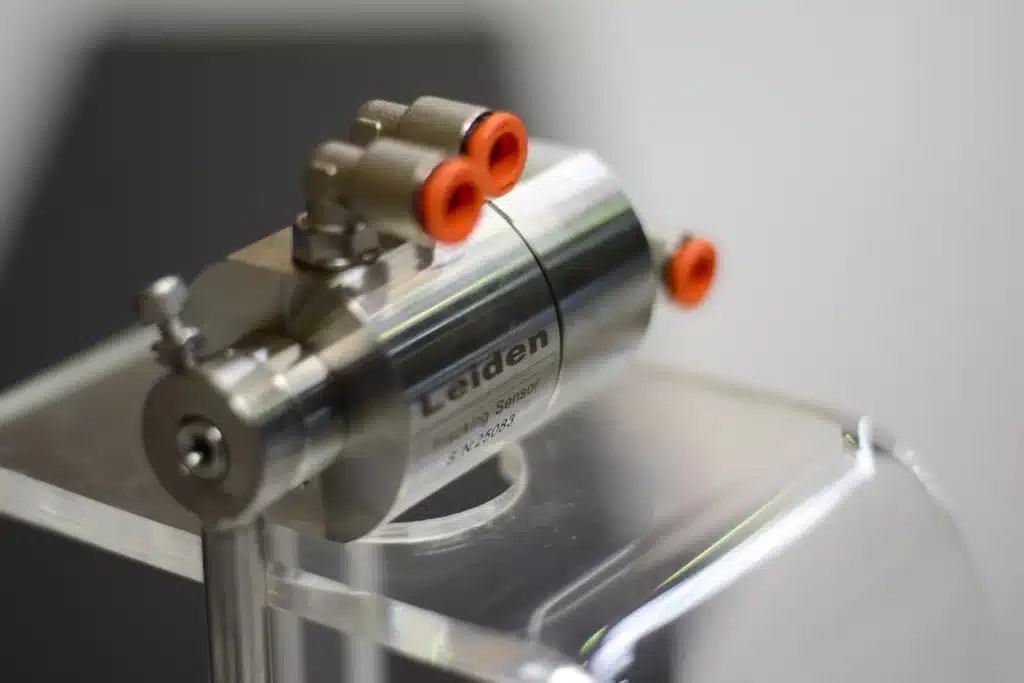
Afri-Tech is a South African based company with a worldwide service network, successfully supplying top of the range screen and filter cloths to countries worldwide. We are the proud manufacturer of a variety of aftermarket linear screen and vacuum belt filter spares which include: screen & filter cloths, rubber-lined rollers, tracking units, tracking valves, sliding bars, spray-bars and the Afri-Tech Power Nozzle.
14+ 14+ 14+ 14+ 14+ Years
Where
quality drives performance
Filtering excellence through superior products!
EXCEPTIONAL PERFORMANCE
Afri-Tech is passionate about supplying excellent quality screen and filter cloths.
Our workshop uses several methods during the manufacturing process, initial raw material inspections, manual measuring, electronic measuring with 1mm accuracy, mathematical formulas to ensure 90° angles, production check lists and final packaging inspections.
Afri-Tech uses the best tools available to ensure quality continuity. Purpose manufactured German hand tools for cutting, purpose manufactured American splicing machinery and top quality Australian polymers all assist in the best product being delivered to our network of clients.
WHAT WE DO
LINEAR
SCREEN CLOTHS
BELT FILTER
CLOTHS
PRESS
BELTS
AFRI-TECH
POWER NOZZLE
Auxiliary
SUPPLIES
LATEST NEWS

Precision Tracking For High-Performance Filtration Systems
In mineral processing and filtration systems, alignment is everything. When tracking components fail, the result isn’t just minor inefficiency; it’s accelerated wear, costly downtime, and

Afri-Tech Wins SACEEC Exporter Of The Year 2025!
Afri-Tech has done it again, proudly securing the SACEEC Exporter of the Year Award for 2025. This repeat win is more than just industry recognition;

How To Extend The Life Of Your Screen Panels
In high-throughput mining operations, screen panels are critical for maintaining product quality and operational efficiency. But they’re also one of the components most vulnerable to